School Furniture banner

Eye Washer

Eye Washer

Eye Washer

Eye Washer

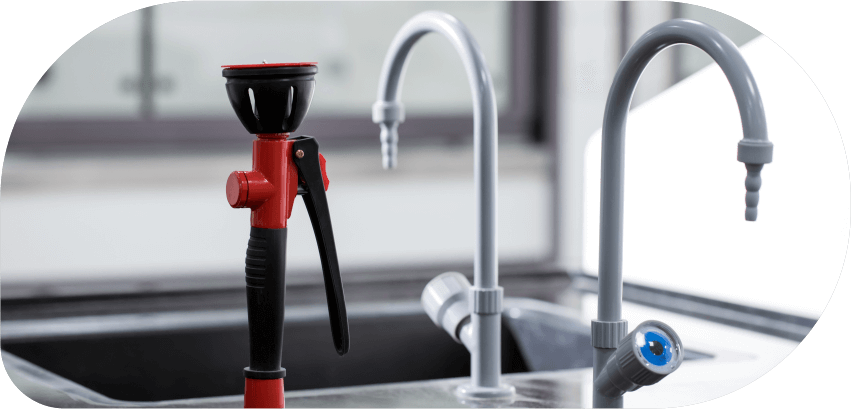
Eye Washer systems are designed to provide immediate emergency eye rinsing in laboratories where chemicals, reagents, and testing substances are regularly handled. Installed near work areas, they support rapid response during accidental exposure incidents, improve workplace preparedness, and contribute to safer laboratory operations across research, educational, pharmaceutical, and industrial facilities.

High Quality Eye Washer

Essential Features of Our Eye Washers

  • Gentle flow aeration: Ensures effective flushing without causing further eye damage.
  • Easyaccess activation: Pushhandle or footpedal operation for quick, handsfree use.
  • Highvisibility design: Easy to locate in emergency situations with standardized safety colorcoding.
  • Durable materials: Corrosionresistant components built to withstand laboratory chemical environments.
Prioritizing Lab Safety and Compliance

Our heavy-duty eye washers prioritize lab safety and compliance. We deliver instant, dual-stream water flow patterns to rinse out hazardous chemical splashes swiftly, meeting premium emergency workspace standards.


High Quality Eye Washer
Quality Safety Solutions

At Vilva Lab Furniture, we understand that safety equipment must work every time, without exception. Our emergency eye washers are tested for flow consistency and structural durability, providing you with a reliable solution that you can trust. Contact us today to learn how to integrate our eye wash stations into your laboratory safety plan.

Download Our Product Brochure

Download PDF

Frequently Asked Questions?

1 What is the standard water flow rate required for a lab eye washer?

According to ANSI Z358.1 standards, an eye washer must deliver a continuous flow of at least 1.5 liters (0.4 gallons) of water per minute for a full 15 minutes.

3 What is the recommended water temperature for an emergency eye wash station?

The water temperature must be tepid, precisely defined by ANSI standards as falling between 16°C and 38°C (60°F to 100°F) to prevent chemical reaction acceleration or thermal shock.

5 What is the maximum distance an eye washer can be placed from a hazard zone?

It must be accessible within 10 seconds of walking distance (approximately 55 feet or 17 meters) from the hazard, on a clear path free of obstructions.

7 What materials are standardly used to construct industrial eye washers?

They are built using highly durable, corrosion-resistant materials such as Grade 304 or 316 stainless steel and high-visibility ABS plastic.

2 How often should emergency eye washers be inspected and tested?

They must be activated weekly to clear the supply lines of sediment and verify proper mechanical operation, with a comprehensive compliance audit conducted annually.

4 Should eye wash stations be equipped with dust covers over the spray heads?

Yes, they must feature protective dust covers that automatically pop off when the water pressure is activated to ensure the nozzles remain clean and sterile.

6 Can a standard sink faucet replace a certified emergency eye washer?

No, standard faucets cannot deliver the simultaneous dual-eye coverage, controlled pressure, and hands-free activation required by safety regulations.

8 Is dedicated drainage required for a wall-mounted laboratory eye washer?

While dedicated drainage is highly recommended to prevent floor flooding, some models utilize a catch bowl that can tie directly into existing laboratory wastewater lines.